Roofing company in Ball Ground, GA
Ball Ground sits at the northern end of Cherokee County, a small historic railroad town that has held onto its larger lots and rural feel even as newer homes have crept in along I-575 and GA-372. Roofs out here live a different life than roofs in a packed subdivision, with more open exposure on one side and heavy tree cover on the other, and that mix takes a contractor who has actually worked the area. We have spent years on homes scattered across north Cherokee, from the older houses near the depot district to the newer builds set back on wooded acreage, and that range has taught us how Ball Ground roofs really weather over time. Call us and you get an honest read on your roof, a full walk of every slope no matter how far out you are, and a written quote with each line laid out plainly. Best Alpharetta Roofer has served North Atlanta since 2015, and a spread-out community like Ball Ground, where homes range from century-old stock to fresh construction, is exactly where real local experience separates a good roofer from the rest. We are here to keep your home protected through north Georgia's storms, however long the drive, and to do it without any runaround.
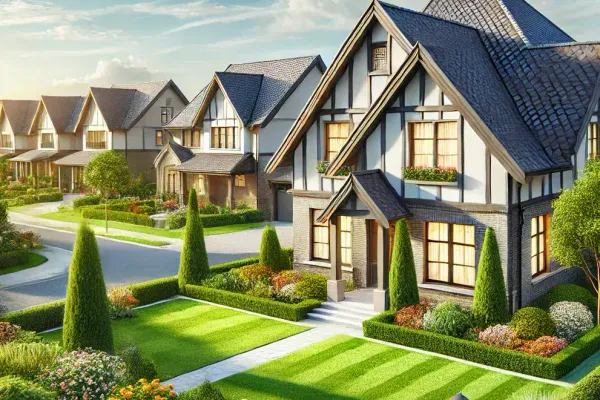
Why north Cherokee homeowners count on us for Ball Ground roofs
Ball Ground has been part of our coverage since we started serving North Atlanta in 2016, and a town that blends century-old homes near the historic depot with newer builds on wooded acreage is exactly the kind of varied market our experience suits. From the older stock around the railroad district to the homes set back along GA-372, we read each roof on its own terms rather than treating the town as one type of house.
Best Alpharetta Roofer carries Dom's GAF Master Elite certification, full licensing and insurance, certifications with GAF and CertainTeed, and thousands of roofs completed across the metro. For a rural-to-suburban community like Ball Ground, where tree debris and open exposure both shape how a roof ages, that track record means an honest assessment and a roof matched to the conditions out here.
Comfortable on rural and historic roofs alike
Ball Ground roofs run from steep older farmhouse and depot-era lines to newer builds on large wooded lots, and each calls for a different read. We walk every slope, photograph the tree-impact marks, worn flashing, and decking concerns, and give you an itemized written quote so the work fits the actual roof in front of us.
We make the drive and show up on time
Distance does not change our service. We offer free same-day inspections and 24/7 storm response across north Cherokee County, tarp active leaks first after wind or hail, document everything for your insurer, and back every finished job with a ten-year workmanship warranty.
Heavy tree debris on Ball Ground's wooded acreage
More than most places we cover, Ball Ground roofs sit under and around mature trees. The larger lots that define the area come with dense oak, pine, and hardwood cover, and that canopy works on a roof constantly. Limbs come down in every wind event and gouge shingles or puncture decking, seed pods and leaf mat pile into valleys and clog gutters faster than an open lot ever would, and the shade holds moisture against north-facing slopes long after the rain stops, feeding the moss and algae that quietly shorten a shingle's life. We have walked enough roofs across north Cherokee to know where that biological growth shows up first and what years of branch impact do to a deck. When we inspect a Ball Ground home we look past the obvious missing tab to the shaded valleys, the granule loss on the shaded pitch, and the early fascia softening that constant tree litter tends to leave behind. That kind of read only comes from real time spent on roofs in these exact wooded conditions.
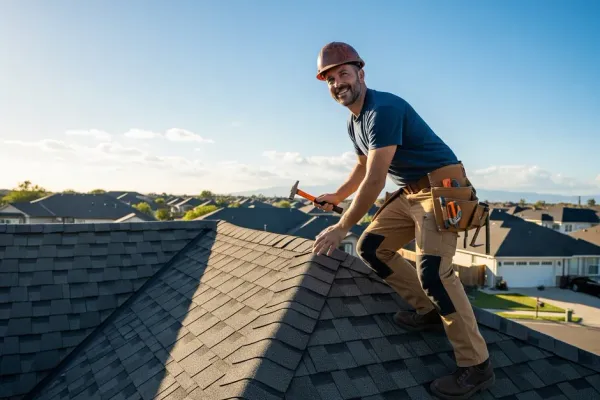
Older homes near the historic depot district
Ball Ground grew up as a railroad town, and the older housing near the historic depot district carries the steeper, simpler roof lines, original trim, and framing you find on stock that predates modern construction. Roofs like these need a more measured hand than a recent build on the edge of town. We evaluate the decking carefully before recommending any heavy product, sometimes steering toward mid-weight architectural shingles to avoid loading framing that was never sized for today's materials. These homes also tend to need the work that age brings: rotted fascia and trim where original wood predates modern moisture barriers, worn or improvised flashing around additions, and masonry chimney repairs where flashing alone will not keep water out. The character of old Ball Ground is worth protecting, so we treat these roofs as restoration work rather than a tear-and-replace rush, matching method and material to the era of the home.
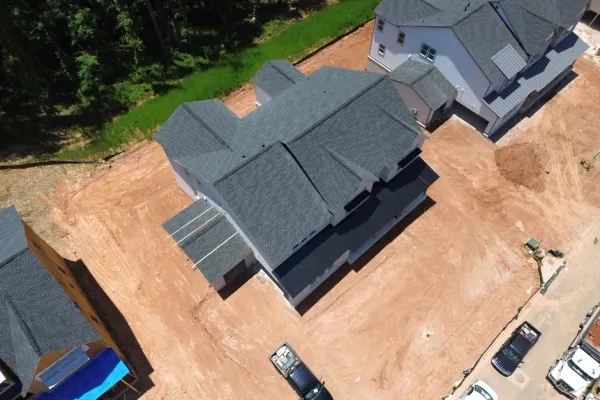
Open exposure and north Georgia storms across north Cherokee
The rural lots around Ball Ground often leave a roof more exposed on its open sides than a sheltered subdivision home would be, and that changes how north Georgia weather treats it. Hard afternoon thunderstorms build over Cherokee County through the warmer months, hail comes with real frequency this far north, and wind crossing open acreage works harder at ridges, rakes, and any lifted tab it can find. We run 24/7 storm response across north Cherokee, however far out your home sits: emergency tarping to stop active water intrusion first, then a full documented walk of every slope with photographs you can hand straight to your insurer. We know the back roads and the longer drives out here, so we are not losing daylight hunting for your place. We stabilize the roof, then talk you through repair or replacement with honest numbers and no pressure, mindful that Georgia claims carry filing deadlines worth beating.
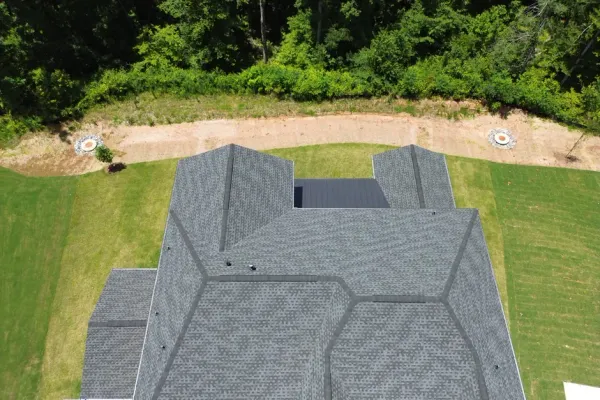
Materials picked for exposure, hail, and tree cover
When we replace a Ball Ground roof, the material choice starts with two things the rest of the cohort rarely faces together: how exposed the open slopes are and how much tree cover sits over the shaded ones. As a contractor certified by GAF and CertainTeed, we can specify impact-resistant shingle lines that take the hail this far north of Atlanta sees, with enhanced fastening at the ridges and rakes where open-lot wind grabs hardest. For the heavily shaded slopes common on wooded lots, we favor algae-resistant shingle lines and pair them with zinc or copper ridge detailing so runoff keeps moss and streaking in check. Metal is a strong fit for many rural Ball Ground homes too, since it sheds branch debris and resists wind better than asphalt over open acreage. The fundamentals never move, including synthetic underlayment, fresh drip edge, sealed valleys, and balanced attic ventilation, but the product gets chosen for the exposure and the canopy your specific roof lives under.
Gutters and exterior work that fit a rural Ball Ground roof
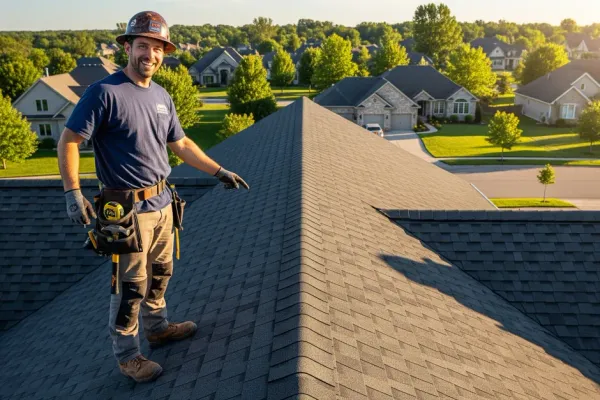
On Ball Ground's wooded lots, gutters carry a heavier load than they would in an open neighborhood, because the constant rain of leaves, pine straw, seed pods, and acorns fills valleys and downspouts year-round and runoff from a large rural roof overwhelms an undersized system fast. When our crew is already up on your roof, it makes sense to handle the oversized gutter runs, the chronically clogged downspouts, and the saturated fascia and soffit that steady tree litter tends to leave on these homes. On the older properties near the depot we address rot-area board replacement where original trim predates modern moisture barriers, and masonry chimney maintenance where flashing alone falls short. We are not looking to become your general contractor. We stick to the exterior work that genuinely belongs with a roofing project so you are not coordinating separate crews across long rural drives to solve one connected set of problems.
Ball Ground Roofing Questions Homeowners Bring Us
Honest answers from a crew that has worked north Cherokee County's rural lots and historic stock for years.
How does Ball Ground's heavy tree cover affect my roof?
The larger wooded lots around Ball Ground put a roof under constant pressure from the canopy. Shade holds moisture against north-facing slopes long after rain, which feeds moss and algae and shortens shingle life. Falling limbs from storms dent and puncture surfaces, and steady leaf, acorn, and seed-pod litter clogs valleys and gutters. We recommend algae-resistant shingles, zinc or copper ridge detailing, and trimming limbs back from the roofline. Keeping debris out of the valleys and maintaining balanced attic ventilation also goes a long way toward protecting a Ball Ground roof under all that tree cover.
Do older homes near the Ball Ground depot need a different approach?
They do. The older housing near the historic depot district, tied to the town's railroad roots, often has steeper simple roof lines, original trim, and framing that predates modern shingle weight. We evaluate the decking before recommending a heavy product and sometimes choose mid-weight architectural shingles to avoid overloading older framing. These homes also tend to need fascia repair, fresh flashing around additions, and masonry chimney attention. We treat them as careful restoration work rather than a quick tear-off, because the character of old Ball Ground is worth preserving while still bringing the roof up to modern weather protection.
Will you drive out to Ball Ground for a roof on rural acreage?
Yes, distance does not change our service. Ball Ground sits at the northern end of Cherokee County, reached by I-575 and GA-372, and we work the area regularly. We offer free same-day inspections when the schedule allows and run 24/7 storm response no matter how far back your home sits. Because we know the back roads out here, we are not wasting daylight finding your place. For a planned estimate we come out, walk every slope, photograph what we find, and leave you with an itemized written quote rather than a number guessed from the driveway.
Does open rural exposure change how Ball Ground roofs hold up?
It can. Many Ball Ground homes sit on large lots with open sides that leave the roof more exposed to wind than a sheltered subdivision home would be. Wind crossing open acreage works harder at ridges, rakes, and any lifted tab, while hail this far north of Atlanta arrives with real frequency. We address that with enhanced fastening at exposed ridges and rakes and, where it suits the home, impact-resistant shingles or metal that handles wind and debris well over open ground. During a free inspection we look specifically at the exposed edges and tell you honestly how your roof is holding up.
Is metal roofing a good choice for a rural Ball Ground home?
It often is. Standing seam metal suits many rural Ball Ground properties because it sheds branch debris from the heavy tree cover more readily than asphalt, resists the wind that crosses open acreage, and lasts decades with little upkeep. On a large rural roof set back on wooded land, that durability and low maintenance can be worth a great deal. The upfront cost runs higher than architectural shingle, so the choice depends on how long you plan to stay and how exposed your slopes are. We will lay out both options honestly so you can weigh cost against the long-term value for your specific home.
Talk to a Ball Ground roofing crew that knows north Cherokee
Whether your home sits on wooded acreage, an older place near the depot needs careful work, or a storm just rolled across north Cherokee, you deserve a clear answer instead of a sales pitch. Reach out today for a free, no-pressure inspection. We will walk the entire roof however far out you are, show you photos of what we find, explain your options in plain terms, and provide an itemized written quote backed by our ten-year workmanship warranty.