Roof replacement in Sandy Springs, GA
Sandy Springs has one of the most varied housing stocks in North Fulton, and that mix is the whole story of a roof replacement here. Drive the neighborhoods in the Perimeter area and you pass 1950s through 1970s mid-century ranches sitting next to newer infill homes and townhomes built in the last twenty years, often on the same street. The older ranches are frequently on their second or third roof, with decking that has to be read carefully and attic ventilation that was undersized from the day the house was framed. The newer construction is reaching the end of its first builder roof. Both call for a full tear-off done correctly, not a layover that buries the real problem. We replace roofs for that full range, correct the dated airflow these older homes carry, and plan the work around busy households near the GA-400 and I-285 corridors. Every project starts with a free inspection and a written quote.
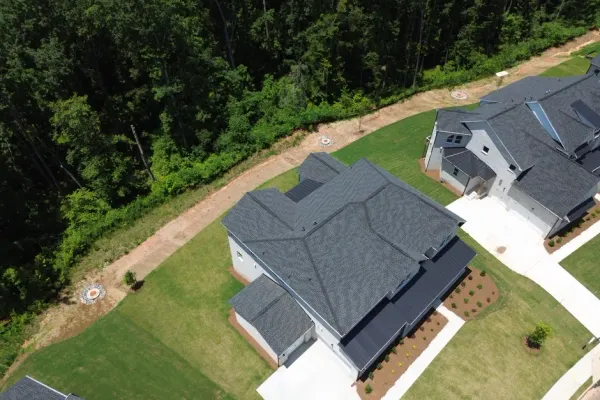
Reroofing Sandy Springs across two generations of housing
A roof replacement in Sandy Springs is rarely a one-size job, because the city's housing spans more than half a century. The mid-century ranches and split-levels that fill the older Perimeter-area neighborhoods were built before current ventilation and moisture standards, so a replacement on one of those homes is almost never just shingles off, shingles on. We routinely open them up to find decking softened along shaded slopes, attic intake and exhaust that never balanced, and original flashing that was sealed with caulk. The newer infill homes and townhomes built across the city in the last two decades bring a different job: a first builder roof reaching the end of its life, often with the thin underlayment and budget shingle a developer used. We build the replacement to the home in front of us. On the older stock that means correcting the ventilation and the decking while the roof is open. On the newer stock it means upgrading from builder-grade to a system that actually lasts. Either way we re-flash every penetration to current spec and leave you a roof built for the conditions it sits in.
Correcting the dated ventilation under a mid-century Sandy Springs roof
The single most common thing we fix on an older Sandy Springs ranch is attic airflow, and a replacement is the only practical time to do it right. Homes from the 1950s through the 1970s were often built with too little intake at the soffits, too little exhaust at the ridge, or both, which let attic heat and trapped moisture cook the underside of the deck for decades and shorten every roof that went on top. When we tear off, we balance the system properly with continuous soffit intake and a ridge vent sized to the attic volume, and on the lower-slope sections common to these homes we use the venting detail that slope actually allows rather than forcing a one-size approach. We also document and replace the soft decking that bad ventilation leaves behind. Get the airflow right and the new shingles reach their rated life instead of aging out early the way the original roof did.
Handling the mixed rooflines and low-slope additions Sandy Springs homes carry
Sandy Springs homes, especially the older ones that have been added onto over the years, often carry more than one roof type on a single house: a main pitched roof over the original structure and a low-slope or nearly flat section over a den addition, a carport, or a rear sunroom. A standard shingle does not belong on a slope that shallow, and treating the whole roof as one surface is exactly how the additions on these homes start leaking. We assess each section on its own. The pitched areas get architectural shingles, while a true low-slope addition gets a membrane system built for water that sits and drains slowly rather than runs off fast. We detail the transition between the two carefully, since that junction is where mismatched roofs fail. Reading a Sandy Springs roof section by section instead of as a single plane is what keeps the whole system watertight after the replacement.
One city, two very different replacement jobs
What makes Sandy Springs unusual is that two completely different roof replacements happen here under the same city name. The first is the mid-century reroof. The ranches and split-levels in the established Perimeter-area neighborhoods were built from the 1950s through the 1970s, and most are on their second or third roof by now. On these homes the visible shingle is the least of it. The real work is in the decking that decades of poor ventilation have softened, the original flashing that was caulked rather than woven, and sometimes a hidden second layer from a past layover that has to come off. The second job is the newer reroof. Infill homes and townhomes built across the city in the last twenty years are now reaching the end of their first builder roof, with the thin underlayment and entry-grade shingle a developer chose to hit a price. We approach each on its own terms, and we start both with a free roof inspection so you know whether you are looking at an aging older roof that needs full correction or a first roof that simply ran out its short clock.
The mid-century ventilation problem, and the chance to fix it
If your Sandy Springs home dates to the mid-century era, the odds are good that its attic has never breathed the way it should, and that has quietly shortened every roof it has worn. Builders of that period frequently installed too little soffit intake, too little ridge exhaust, or a mismatched combination that moves no air at all, so summer heat and winter moisture stayed trapped against the deck. You see the result as decking that has gone soft and dark on the shaded slopes, premature shingle aging, and sometimes mildew in the attic itself. A replacement is the one moment when the roof is open and the fix is straightforward. We rework the system with balanced continuous soffit intake and a ridge vent matched to the attic volume, and where a low-slope section cannot take a ridge vent we use the appropriate alternative for that pitch. Sandy Springs also sits along the Chattahoochee River, and that proximity keeps humidity high on the shaded, tree-covered lots common here, so we pair the corrected airflow with algae-resistant shingles. Proper roof ventilation is part of every system we install, because a new roof over a bad attic just repeats the original mistake.
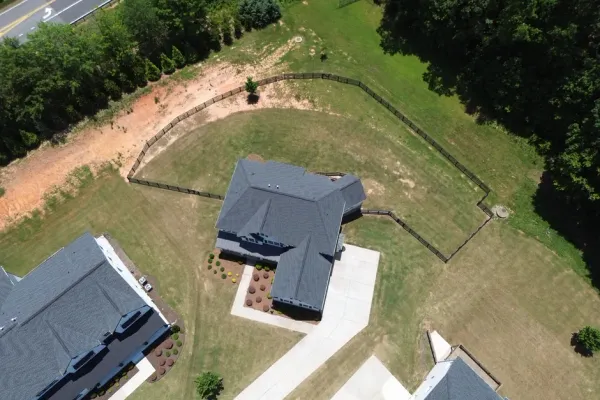
How a Sandy Springs replacement runs around a busy household
Most single-family replacements in Sandy Springs are a one to two day job, with larger homes or complicated mixed-slope rooflines running three to four, and we plan the work around the reality that this is a busy part of the metro. Households near the Perimeter business district, GA-400, and I-285 keep full schedules, so we set crew arrival times you can plan around, stage materials to keep the driveway usable where we can, and keep you posted each day. The work itself follows a tight sequence. We start with a free on-site inspection, then hand you a written estimate broken out by square footage, tear-off, decking repair, ventilation correction, any low-slope membrane section, and the material you choose, so there is nothing vague waiting at the end. We pull the Fulton County or City of Sandy Springs permit, protect your landscaping and AC units, and strip the roof to bare decking. Soft sheathing gets replaced, then synthetic underlayment, ice-and-water barrier in the valleys and along the eaves, fresh drip edge, new flashing at every penetration, and your chosen shingle or membrane to spec. We finish with a magnet sweep across the lot and driveway, a full debris haul-off, and a final walkthrough. Current ranges live on our pricing page, and you can reach us any time through contact.
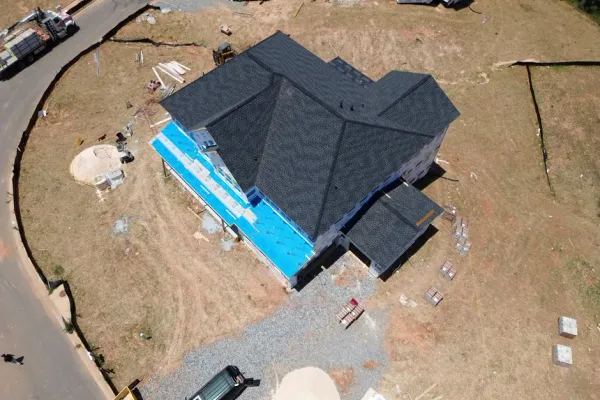
Frequently Asked Questions - Roof Replacement in Sandy Springs
My Sandy Springs home is a 1960s ranch. What is different about replacing its roof?
Two things, mostly. First, a home that old is usually on its second or third roof, so once we tear off we expect to find decking softened by decades of trapped attic heat and sometimes a hidden second layer from a past layover, both of which have to be addressed before new material goes down. Second, mid-century homes were almost always built with undersized attic ventilation, and a replacement is the right moment to correct it with balanced soffit intake and a properly sized ridge vent. Fixing the airflow is what lets the new roof reach its full life instead of aging out early the way the original did.
How much does roof replacement cost in Sandy Springs?
Most Sandy Springs roof replacements run $8,000 to $25,000, with larger homes or premium materials reaching $30,000 or more. Asphalt architectural shingles average about $350 to $500 per square (100 square feet), and standing seam metal runs roughly $700 to $1,200 per square. On older homes the biggest swing is decking and any ventilation correction once we tear off, and on homes with a low-slope addition the separate membrane section adds to the number. We quote with the assumption that some sheathing repair will be needed, so the written estimate reflects reality rather than a lowball that climbs mid-project.
Part of my roof is nearly flat over an addition. Can you replace that too?
Yes, and it needs a different material than the rest of the roof. A standard shingle does not belong on a low-slope or nearly flat section, because water sits and drains slowly there rather than running off. We put architectural shingles on the pitched areas and a membrane system built for low slope over the flat section, then detail the transition between the two carefully, since that junction is where mismatched roofs leak. Reading the roof section by section is how we keep the whole thing watertight.
Do I really need to upgrade the ventilation, or can you just put new shingles on?
We strongly recommend correcting it while the roof is open, especially on mid-century Sandy Springs homes. Putting a new roof over an attic that never breathed properly repeats the exact condition that aged out the old roof, because trapped heat and moisture keep cooking the deck and the shingles from below. Balancing intake and exhaust during the replacement costs far less than doing it later and protects the investment you are making in the new roof. We measure your attic volume and size the system to it rather than guessing.
Do I need a permit to replace my roof in Sandy Springs?
Yes. Roof replacement in Sandy Springs requires a permit, whether your home falls under Fulton County or the City of Sandy Springs jurisdiction, and we handle the application and inspection for you. The permit confirms your new roof meets Georgia building codes and protects your home's value at resale. Permit costs are folded into our written quote, so there is no separate paperwork or fee for you to chase down. To verify a contractor's licensing, you can search the Georgia Secretary of State Professional Licensing site.
How disruptive is the work, given how busy this area is?
We plan around it. Most replacements here run one to two days, with larger or mixed-slope homes taking three to four, and we set crew arrival times you can plan around, stage materials to keep your driveway usable where possible, and keep you updated each day. We protect your landscaping and AC units before we start, keep the jobsite clean through the project, and finish with a magnet sweep across the lot and driveway. You stay in your home throughout.
Get a straight quote on your Sandy Springs roof replacement
Whether your home is a mid-century ranch on its third roof or newer infill reaching the end of its first, find out exactly where your roof stands before the next storm forces the decision. We will walk the roof section by section, check the decking and ventilation, and hand you a clear written quote backed by our ten-year workmanship warranty. Call (470) 888-0030 or request your free inspection online.