Roof Ventilation Tools - Airflow Equipment for Healthier Attics
When attic temperatures soar, shingles blister, or moisture breeds mold, proper roof ventilation makes all the difference. Georgia's humid summers and temperature swings put significant stress on attic spaces. From ridge vent cutters and turbine vents to solar attic fans, these tools help you create balanced airflow that extends roof life, reduces energy costs, and prevents moisture damage in Alpharetta homes.

🌀 Ridge Vents & Exhaust Systems
Ridge vents provide continuous exhaust along the roof peak, creating the most efficient natural ventilation. Hot air rises and exits through the ridge while cooler air enters through soffit vents below. Proper ridge vent installation requires cutting a slot along the ridge and installing vent material that sheds water while allowing airflow.
| Picture | Product | Type | Key Features | Shop |
|---|---|---|---|---|
 |
Shingle-Over Ridge Vent | Continuous | Low profile, Weather barrier, High airflow | Buy on Amazon |
 |
Aluminum Turbine Vent | Wind-powered | Spins in wind, No electricity, Durable | Buy on Amazon |
 |
Static Box Roof Vent | Passive | No moving parts, Weather protected, Easy install | Buy on Amazon |
💡 Pro Tip: Don't mix ridge vents with other exhaust vents (turbines, static vents) on the same roof section - it creates short-circuiting where air enters one exhaust and exits another without ventilating the attic.
Browse All: Ridge Vents on Amazon
🌬️ Soffit Vents & Intake Systems
Soffit vents provide essential intake air for balanced ventilation. Without adequate intake, exhaust vents can't function properly. Continuous soffit strips provide more airflow than individual vents. Proper installation includes ensuring insulation doesn't block airflow with baffles at each rafter bay.
| Picture | Product | Type | Key Features | Shop |
|---|---|---|---|---|
 |
Continuous Soffit Vent Strip | Intake | High airflow, Easy install, Paintable | Buy on Amazon |
 |
Aluminum Round Soffit Vents | Individual | 3" diameter, Screen mesh, Easy retrofit | Buy on Amazon |
 |
Rafter Vent Baffles | Airflow channel | Keeps insulation clear, Maintains airpath | Buy on Amazon |
💡 Pro Tip: Balanced ventilation requires roughly equal intake and exhaust area. The "1 sq ft per 150 sq ft of attic floor" rule provides a starting point, but Georgia's climate often benefits from additional ventilation.
Browse All: Soffit Vents on Amazon
☀️ Powered Attic Ventilation
When passive ventilation isn't sufficient, powered fans actively move air. Solar attic fans require no wiring, while electric fans provide higher CFM output. Gable-mounted fans work well in homes without ridge access. Thermostats and humidistats activate fans only when needed, reducing energy waste.
| Picture | Product | Type | Key Features | Shop |
|---|---|---|---|---|
 |
Solar Powered Attic Fan | Solar | No wiring needed, 1200+ CFM, Thermostat | Buy on Amazon |
 |
Gable Mount Attic Fan | Electric | High CFM, Adjustable thermostat, Quiet motor | Buy on Amazon |
 |
Roof Mount Power Ventilator | Electric | 1600+ CFM, Dome weatherproofing, Auto shutoff | Buy on Amazon |
💡 Pro Tip: Size attic fans for 10-12 air changes per hour. Calculate: Attic square footage × 0.7 = minimum CFM needed. For Alpharetta's hot summers, add 15% to this calculation.
Browse All: Attic Fans on Amazon
📏 Airflow Testing & Measurement
Before and after ventilation improvements, testing confirms system performance. Anemometers measure airflow velocity at vents, while smoke pencils visualize air movement patterns. Hygrometers track humidity levels that indicate moisture problems. Data logging helps identify when and where ventilation fails.
| Picture | Product | Type | Key Features | Shop |
|---|---|---|---|---|
 |
Digital Anemometer | Airflow | Measures CFM/velocity, Temperature, Backlit | Buy on Amazon |
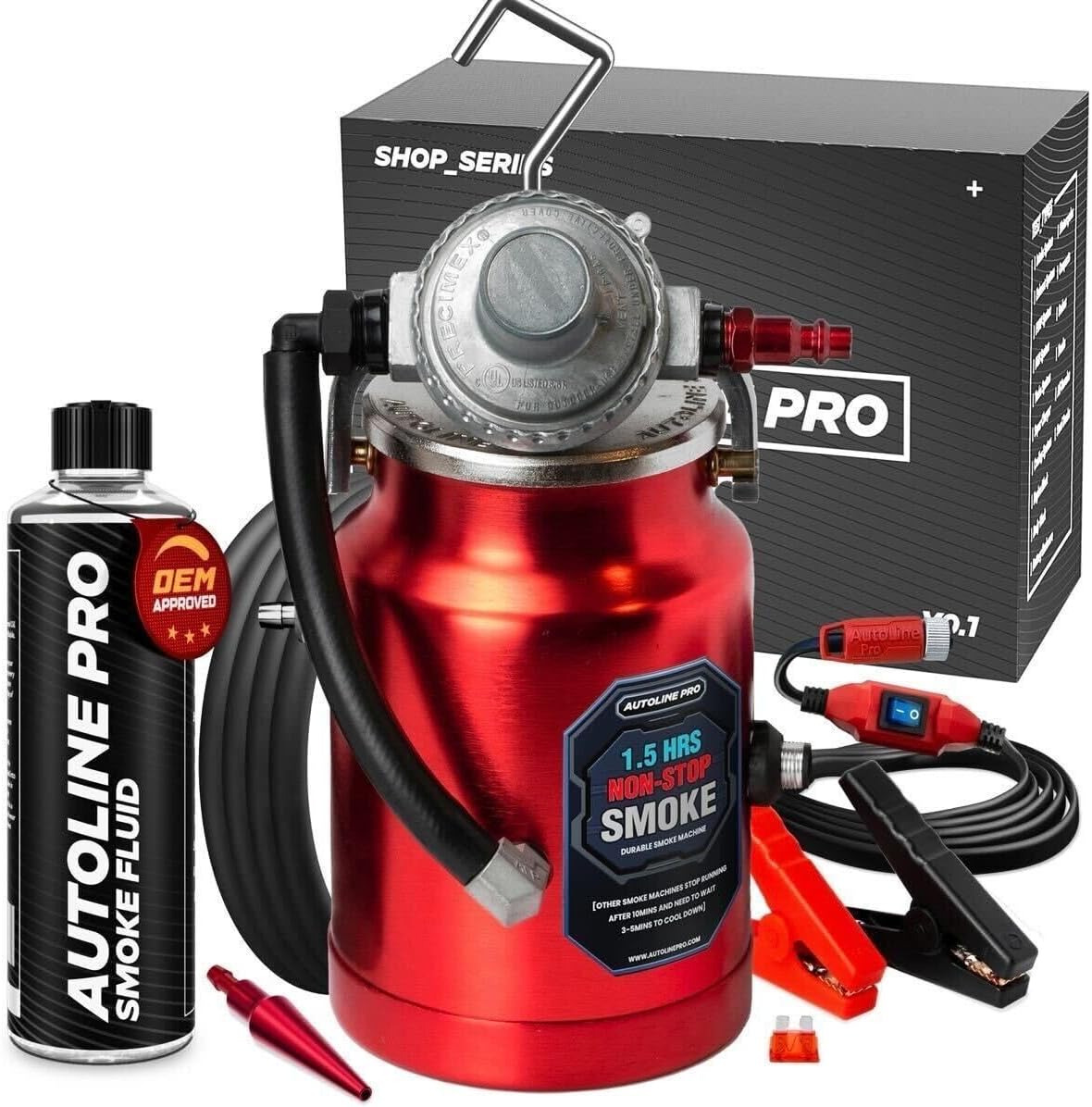 |
Smoke Pencil/Puffer | Visual | Shows draft direction, Finds leaks, Easy use | Buy on Amazon |
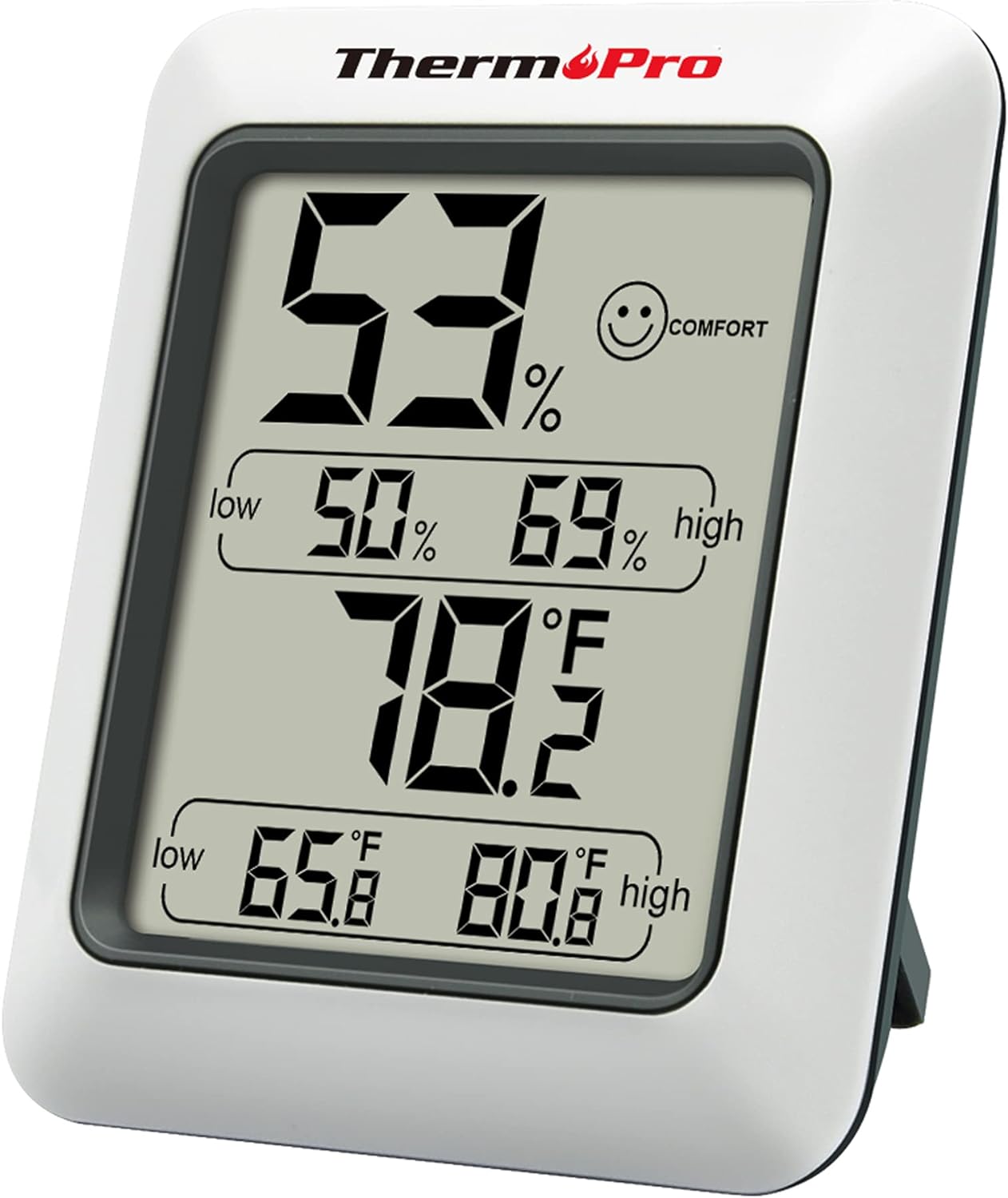 |
Digital Hygrometer/Thermometer | Environment | Humidity, Temperature, Min/max tracking | Buy on Amazon |
Browse All: Airflow Testing Equipment on Amazon
🔧 Installation Tools
Proper vent installation requires specific cutting and mounting tools. Ridge vent installation needs a saw capable of cutting through sheathing along the ridge line. Soffit installation requires hole saws or jig saws for retrofit vents. Quality installation prevents leaks while ensuring adequate airflow.
| Picture | Product | Type | Key Features | Shop |
|---|---|---|---|---|
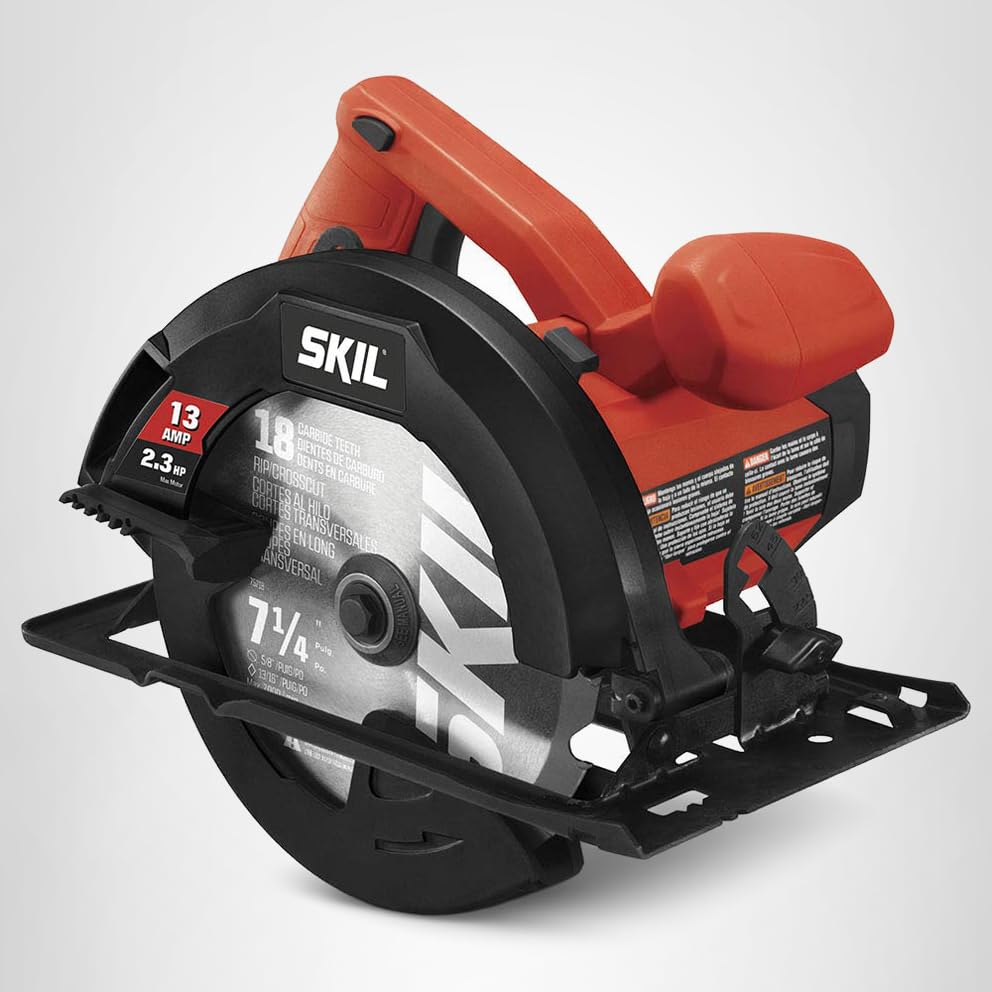 |
Circular Saw for Ridge Cuts | Cutting | Adjustable depth, Carbide blade, Lightweight | Buy on Amazon |
 |
Hole Saw Kit | Soffit vents | Multiple sizes, Arbor included | Buy on Amazon |
 |
Roofing Sealant for Vents | Sealing | UV resistant, Flexible, Waterproof | Buy on Amazon |
Browse All: Ventilation Installation Tools on Amazon
❓ Frequently Asked Questions - Roof Ventilation
Professional Ventilation Solutions
Need to improve your attic ventilation? Browse our recommended vents, fans, and airflow testing equipment.